Thursday, May 28, 2026

🌸 Lessons from a Wild Geranium

 
There is a particular satisfaction in watching a biological process unfold exactly as described in a textbook, right in front of your lens.

Today, I came across a patch of geraniums along the trail. I sat on the forest floor and took the time to explore the heart of their flowers.
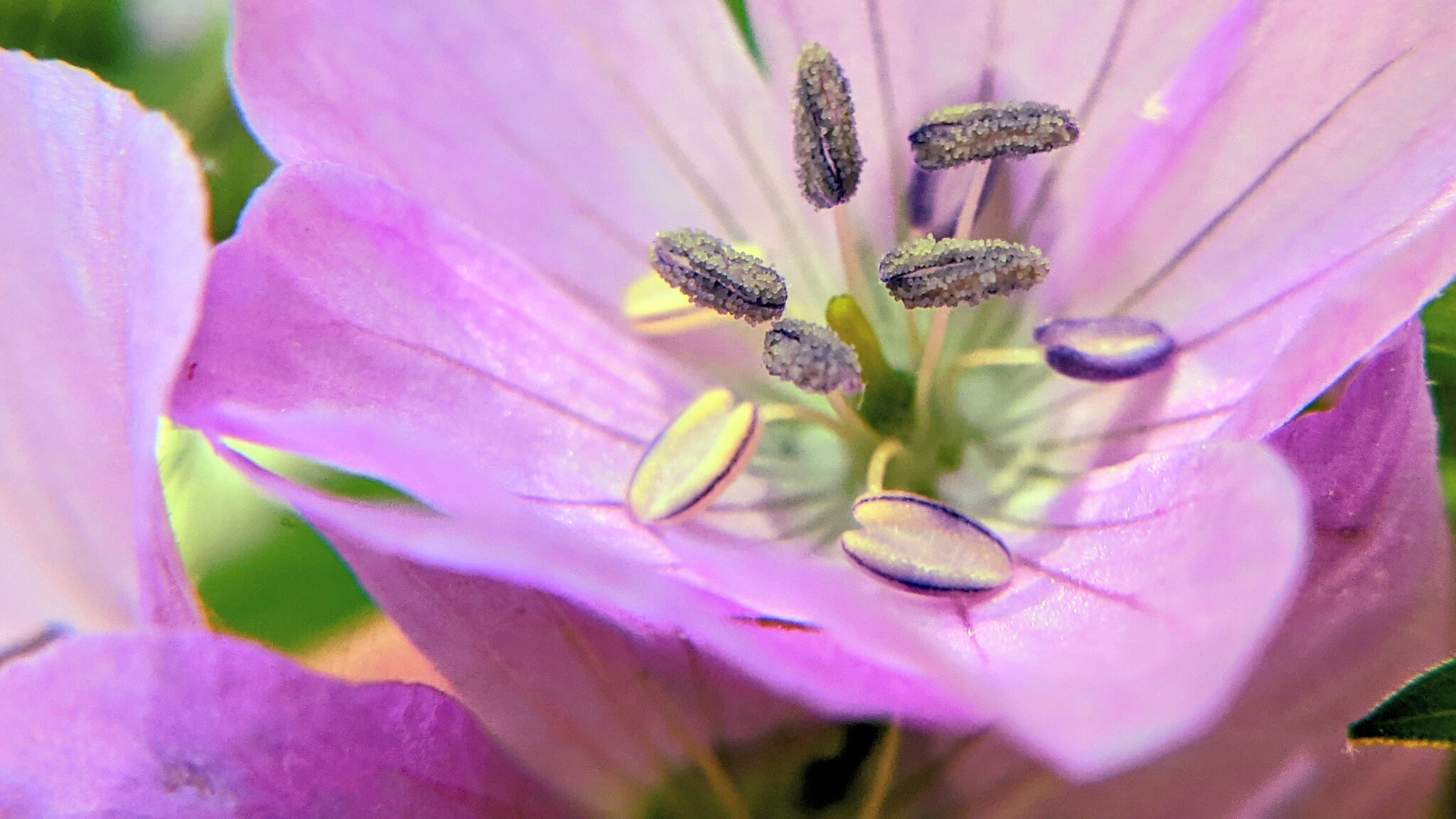

Look at these anthers. They are the pollen producing male reproductive structures of the flower, typically perched atop a slender stalk called a filament. The images tell the story: the smooth, plump vitality of the younger anthers contrasted with the dark, textured dehiscence of the mature ones. Individual pollen grains stand out with startling clarity. Being able to witness this level of detail feels like a privilege.

To top off an already wonderful day in the field, I was also able to map the timing and transformation of the female reproductive structures. Seeing the entire cycle unfold in real life, in real time, never ceases to amaze me.

We Forget What Plants Do.

For me, moments like this are also a reminder of the extraordinary sophistication of plants. We still too often think of them as somehow inferior to animals, when in reality they rival, and in many respects surpass, animals in the diversity and elegance of the solutions they have evolved.

We also forget that plants make us what we are. Not just in some distant evolutionary past, but every day. They shape the air we breathe, the food we eat, the climate we inhabit, and the ecosystems on which we depend. They are constantly sustaining the conditions that make our lives possible.

And yet we so often overlook them. We walk past them without noticing, reduce them to scenery, and destroy them without fully understanding what is being lost. Looking into the heart of a flower like this is a reminder that plants are not simply the backdrop of life on Earth. 

They are among its greatest architects, and they continue to shape our world every day.

📷 Wild Geranium · Géranium Maculé (Geranium maculatum) | © Claire O'Neill, please credit accordingly | EwA Pheno Lite observation → here

Sunday, May 24, 2026

≽༏≼ Cruiser Out of Context, Not Out of Place


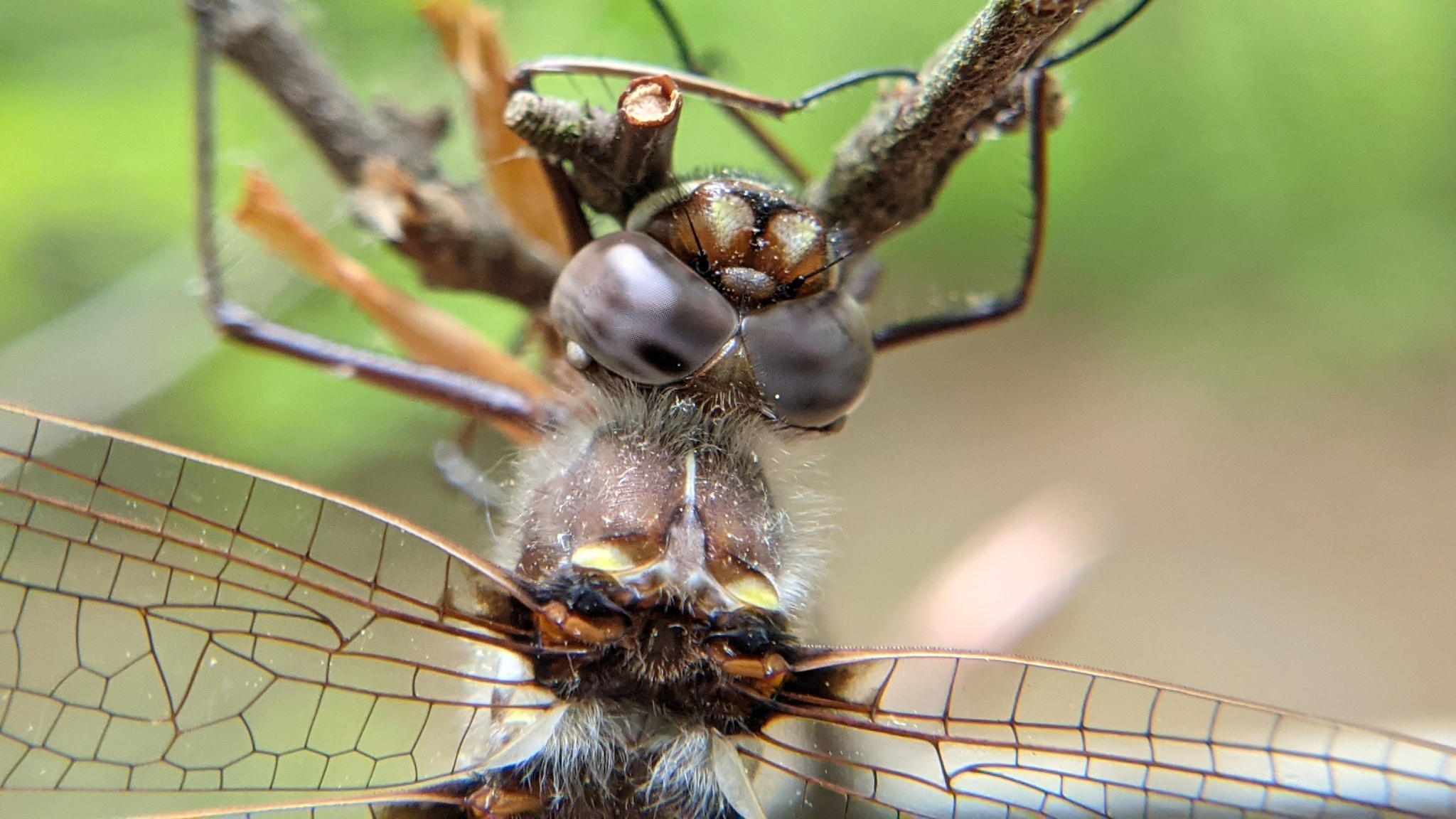
This morning’s small surprise, a stream cruiser (Macromia transversa) resting on the tip of a branch of an American beech where the buds are clearly failing, likely another expression of beech leaf disease. An odd pairing at first glance: a species I associate with moving water, still on a tree already under stress. This was at the edge of what once functioned as a vernal pool, now largely overtaken by the aggressive invasive, the common read. Not the setting where I expect to encounter a cruiser, and not a typical perch.

The timing suggests early emergence. Late May is when the cruisers begin to appear here, and this individual may have only recently taken wing, dispersing through the landscape or pausing in a place that falls outside the usual narrative.

This is not a migratory species. Dispersal is the more accurate framing: individuals ranging beyond core riverine habitats and turning up in places that reflect movement more than residency.

All that said, the image lingers: a river-associated dragonfly resting on a declining beech above a wetland shifting under invasion. Not quite anomalous, unfortunately, for that location. It leaves me with a certain sadness.

📷 Stream Cruiser · Macromie Brune (Macromia transversa) | © Claire O'Neill, please credit accordingly.

Sunday, May 17, 2026

.ೃ࿔* Bear Oak Carried by the Spring Wind

Tiny catkins, massive pollen mission


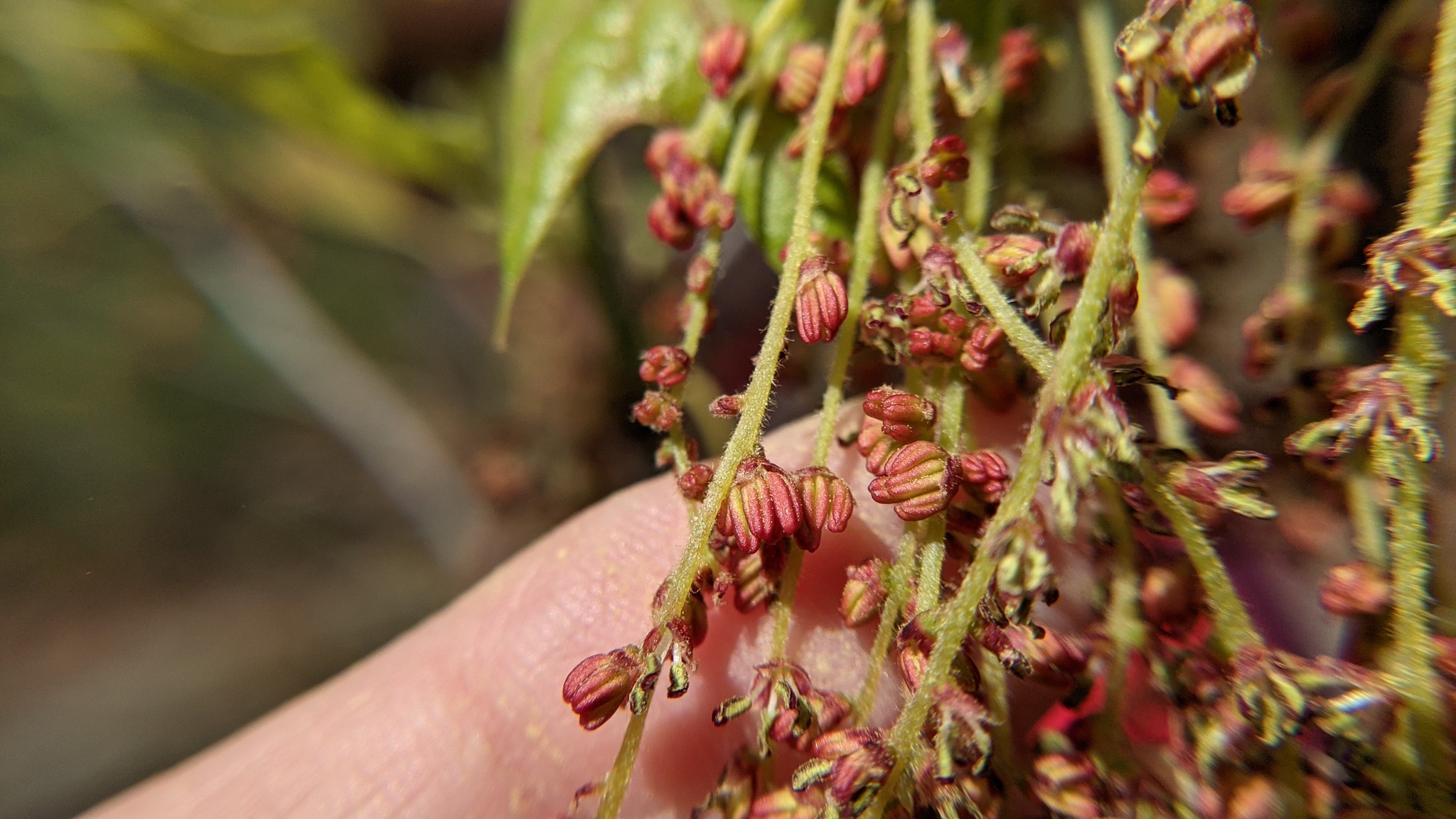
🌾 These are the staminate catkins, the male flowers of bear oak (Quercus ilicifolia), documented this past Monday during our Intro to Monitoring session on phenology. The ribbed reddish structures are the anthers of the male catkins, now fully exposed and beginning to dehisce, opening to release pollen into the spring air.

Not all flowers are synchronized. Some anthers are just beginning to open, while others have already started to empty. That staggered timing extends the pollen dispersal window, an elegant strategy for a wind pollinated tree navigating the unpredictability of spring conditions.

It is a fleeting stage, easy to overlook, yet essential to the reproductive pulse of the oak forest.

Check out this week's phenology of this bear oak for more details and you’ll also see its beautiful female flowers. I shall talk about those beauties another time 🍃
 
📷 Bear Oak · Chêne à Feuilles de Houx (Quercus ilicifolia) | © Claire O'Neill, please credit accordingly.

Sunday, May 10, 2026

🕷️ Celebrating Mothers, Eight Legs at a Time

Beneath Our Feet: A Mother Among the Leaf Litter

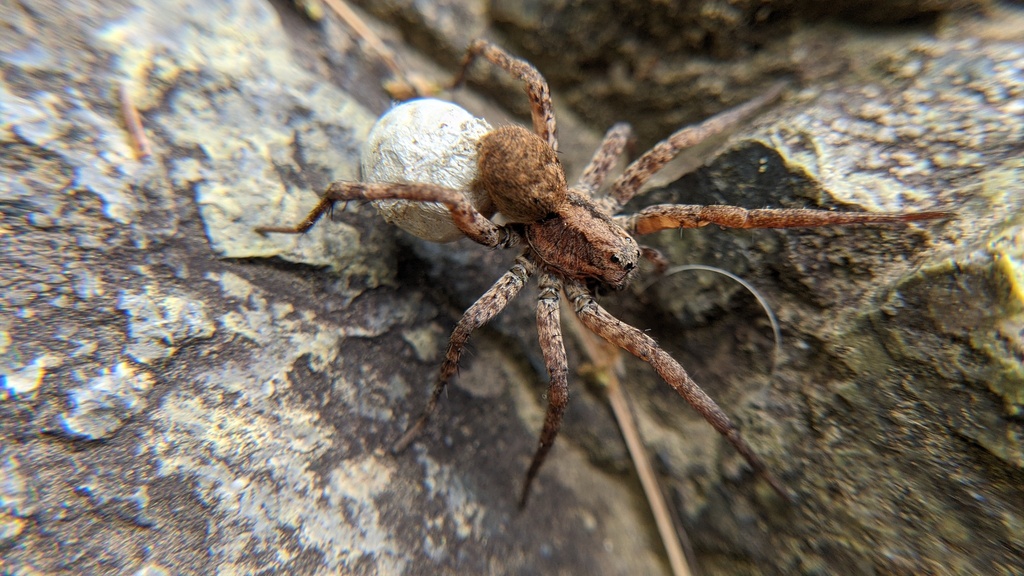
In May across New England, the Drumming Sword Wolf Spider is back on the move through the leaf litter and understory, hunting without a web, relying instead on speed, precision, and vibration. Males produce subtle drumming signals during courtship, communicating through the ground itself, a reminder that forests are full of conversations we rarely notice.

And then there is the maternal care. A fitting little ambassador on this Mother’s Day for all living beings. Speaking of which... like other wolf spiders, females carry their egg sacs attached to their spinnerets wherever they go. Once the spiderlings hatch, they climb onto their mother’s back, sometimes covering her entirely, and remain there until they are ready to disperse. Remind me sometime to tell you about their fascinating dispersal techniques the next time we wander the woods together at an EwA event. A fierce little hunter turned living nursery. 

One more example that care, protection, and complexity are everywhere in the natural world, even under our feet.

📷 Drumming Sword Wolf Spider (Gladicosa gulosa) | © Claire O'Neill, please credit accordingly.


Sunday, May 3, 2026

🦋 Male Azure Mate Chase

 Spring Azure Patrols

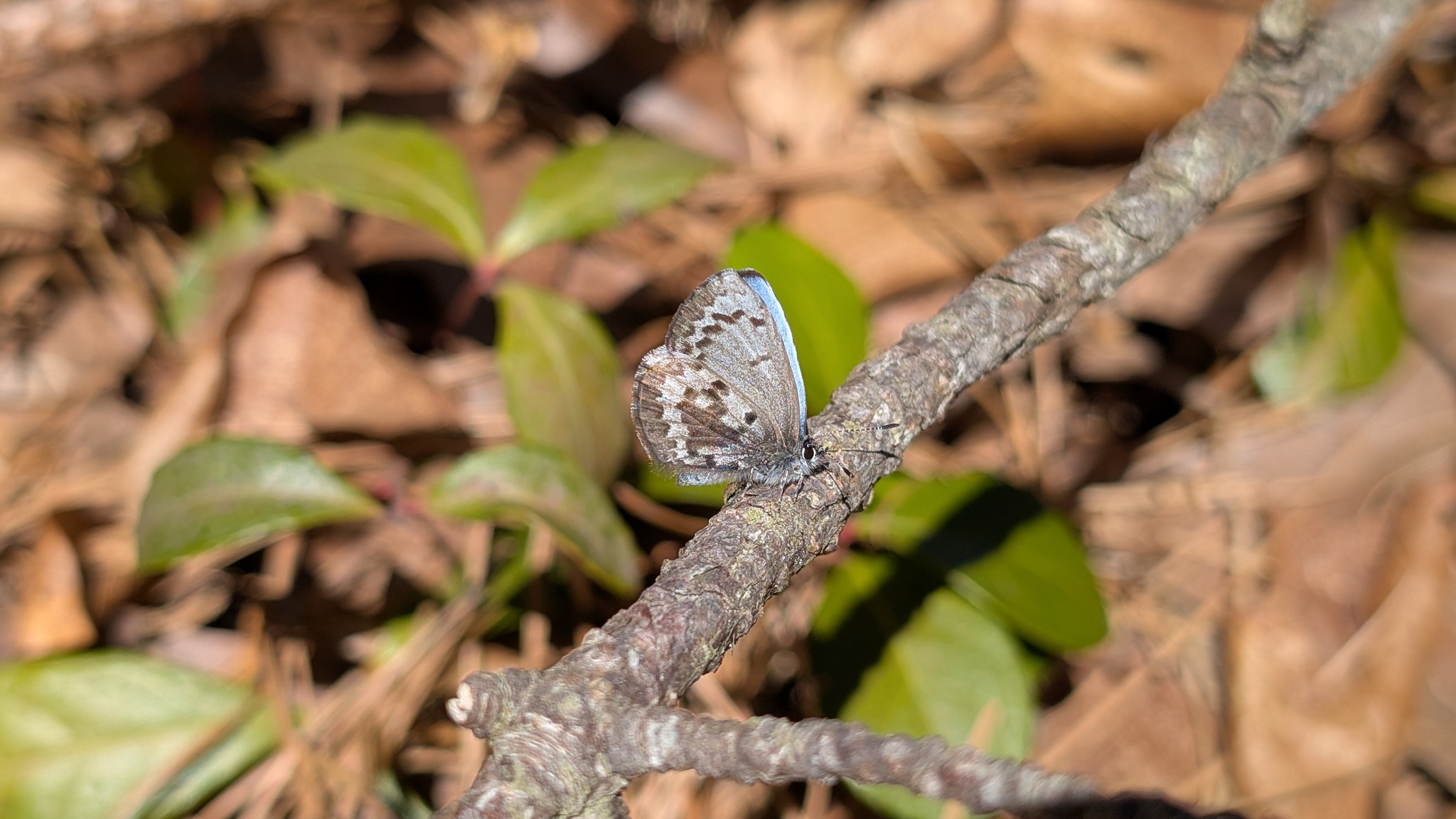
Spring azures are tiny but surprisingly busy spring butterflies, and on warm afternoons they can seem to zip methodically through woodland edges and shrubby openings as males patrol for females. Their “search pattern” is a smart mate-finding strategy: the males keep moving through likely breeding spots, chasing off rivals and checking anything blue and fluttering that might be a female. If you pause near early-blooming shrubs or garden edges, you may catch one flashing clear sky-blue above, then vanishing almost instantly into the understory again. 

📷 Spring Azure · Azur Printanier (Celastrina ladon) | © Claire O'Neill, please credit accordingly.